









What’s the difference between year-round and seasonal allergies?
If you, like many, suffer from seasonal allergies, you may be sensitive to any changes in air quality. Seasonal allergies, also known as hay fever or allergic rhinitis, are allergic reactions triggered by specific environmental factors that occur during certain times of the year. They are most commonly caused by airborne allergens like pollen, which vary by season. People with seasonal allergies have an immune system that overreacts to these allergens, leading to symptoms like:


COMMON SEASONAL ALLERGIES

SPRING
Tree pollen (e.g., oak, birch, cedar, maple)

SUMMER
Grass pollen (e.g., ryegrass, Timothy grass, Bermuda grass)

FALL
Weed pollen (e.g., ragweed, pigweed, sagebrush)

The severity of seasonal allergies can vary depending on the type and amount of pollen in the air, as well as the person's sensitivity to the allergens. For some, symptoms are mild, while for others, they can be more disruptive to daily life.
Management of seasonal allergies often involves avoiding allergens, using antihistamines, decongestants, nasal sprays, or other treatments, and monitoring pollen counts during high pollen seasons. We’ll also discuss how air purifiers can help combat allergies before they become a problem.
Explore PurifiersYEAR ROUND ALLERGIES

DUST
Dust allergies are triggered by microscopic particles in dust, especially dust mites.

MOLD
Mold allergies are caused by the immune system's overreaction to mold, leading to symptoms such as sneezing, watery eyes, and a runny nose.

Pet Dander
Animals like cats and dogs shed microscopic flakes of skin called dander, which can trigger allergic reactions in people.
Unlike seasonal allergies, which are triggered by outdoor factors at specific times of the year, year-round allergies manifest due to common indoor allergens found in homes, offices, and other frequently used indoor environments. These persistent allergies can cause symptoms throughout the year. Notably, pets such as cats and dogs are often significant contributors to these reactions, as their dander can be a potent allergen. In addition to pets, other typical year-round allergy triggers include household dust and mold. We understand that maintaining a completely allergen-free environment in every part of a living or working space is easier said than done!
Explore Purifiers
How can a purifier help my allergy symptoms?
An air purifier can be a highly effective tool for helping support seasonal allergies by filtering out the presence of allergens that can trigger allergic reactions.
Filtering out Allergens from the Air +
Seasonal allergies are commonly triggered by allergens such as pollen, mold spores, dust mites, and sometimes pet dander. Air purifiers use various filtration technologies to reduce these allergens from the indoor air.
HEPA filters are among the most effective tools for reducing airborne allergens. They filter 99.9% of particles as small as 0.1 microns, including dust mite debris, pet dander, pollen, and mold spores.
A recent SleepScore Labs study tested the PuroAir purifier and confirmed its effectiveness in improving indoor air quality and reducing allergens, making it a reliable solution for allergy sufferers.²
Studies have shown significant reductions in allergen levels when HEPA filtration is used regularly. (National Library of Medicine)
HEPA Filtration: The most important technology in an air purifier for allergy sufferers is the HEPA filter. HEPA filters are designed to filter out 99.9%* of particles as small as 0.1 microns. This includes most common allergy triggers like pollen, dust, and smoke. Since pollen particles typically range from 10 to 100 microns, they can easily be filtered out by HEPA filters.
- Pollen: HEPA filters can help trap pollen from trees, grasses, and weeds, which are common culprits during allergy season.
- Dust: Dust mites, which thrive in warm, humid conditions, and dust particles that accumulate in the air during spring or fall, are effectively removed by HEPA filtration.
CarbonTech™ Filter: In addition to HEPA filters, PuroAir air purifiers have activated carbon filters that can absorb odors, and some gases. While not primarily designed for allergen removal, activated carbon can help reduce odors associated with pollen, or damp conditions, which may worsen allergies.
Reducing Indoor Allergen Exposure +
Seasonal allergens are often carried into the home on clothes, pets, and through open windows. An air purifier can help reduce the buildup of allergens in your home environment by continuously filtering the air.
Air Circulation: The fan in the air purifier circulates the air in the room, ensuring that allergens are drawn into the filter and cleaned from the air. Most air purifiers have multiple fan speeds that adjust to the level of pollution or allergens detected, ensuring efficient filtration. PuroAir air purifiers also have an auto setting meant to increase fan speed automatically when it senses an increase in particles in the air.
24/7 Air Filtration: Air purifiers work continuously to support clean air by helping filter out allergens even when you’re not aware of them. In allergy season, when pollen levels are high, keeping an air purifier running can help clean the air and filter out the amount of allergens that settle on surfaces like furniture, bedding, and floors.
Indoor vs. Seasonal Allergens:
Indoor allergens like dust mites, pet dander, mold spores, and cockroach allergens are common triggers. Unlike outdoor allergens—such as tree or grass pollen, which are seasonal—indoor allergens are present all year. They build up on surfaces and in household dust, especially in fabrics and carpets.
What makes indoor allergens tricky is how persistent they are. Dust mites, for instance, thrive in humid environments, while pet dander can stay in the air long after you’ve cleaned. Pollen, on the other hand, typically enters from outside and doesn’t linger indoors in the same way.
The good news is that air filtration can help. Using a HEPA filter can trap most airborne allergens, making a noticeable difference in indoor air quality (Salo et al., 2016).
Maintaining a Cleaner Home or Office Environment +
By filtering out allergens, air purifiers also help keep your indoor environment cleaner. This is particularly helpful for those with seasonal allergies, as allergens often settle on surfaces where they can be stirred up again later.
Helping Reduce Exposure to Common Irritants: By filtering out allergens from the air, air purifiers may help reduce symptoms such as sneezing, itchy eyes, nasal congestion, and coughing asthma attacks that are often triggered by exposure to pollen or other allergens.
Cleaner Air in Specific Areas: Air purifiers can be placed in key areas such as the bedroom, living room, or home office, providing relief where it’s most needed. Many air purifiers are designed to cover specific room sizes, so choosing the right model for your space will maximize its effectiveness.
Supporting Hygiene Best Practices +
During allergy season, outdoor allergens like pollen can be carried inside, and allergens from one room can spread to others. Air purifiers may help limit cross-contamination by ensuring that the air in each room is filtered efficiently and allergens don’t spread as easily.
Improving Overall Indoor Air Quality +
Seasonal allergens aren’t the only potential irritants in the air. Indoor air quality (IAQ) is a significant factor in allergic reactions, and poor IAQ can exacerbate allergy symptoms. Air purifiers improve IAQ by reducing dust, pet dander, smoke, and other pollutants, creating a more comfortable environment for those with allergies.
Hear what our customers are saying about Allergy Relief with PuroAir Air Purifiers
This product changed my life! No more sneezing every morning.
- Gloria D.

This product changed my life! No more sneezing every morning.
- Jill
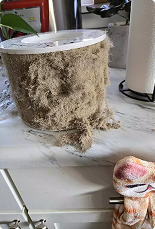
This product changed my life! No more sneezing every morning.
- Gloria D.
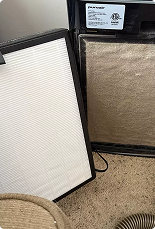
This product changed my life! No more sneezing every morning.
- Kaylee I.
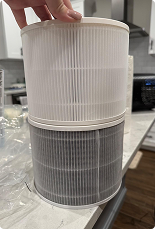
This product changed my life! No more sneezing every morning.
- Folami
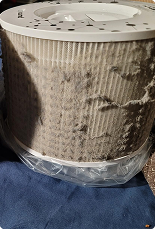
This product changed my life! No more sneezing every morning.
- Ashlie B.
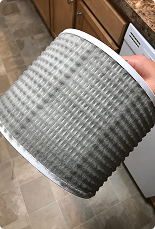
This product changed my life! No more sneezing every morning.
- Lisa
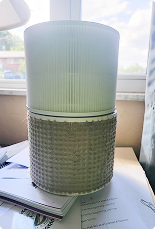
This product changed my life! No more sneezing every morning.
- Kim A.
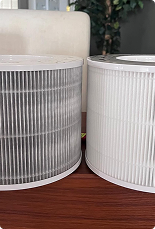
This product changed my life! No more sneezing every morning.
- Morgan
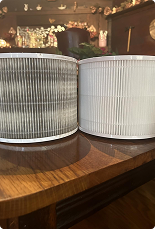

Best Seller
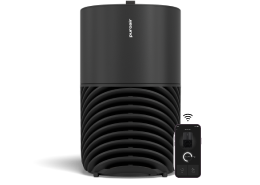
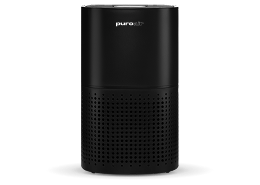
PuroAir 240 HEPA Air Purifier
As our top-selling air purifier in 2024, the PuroAir 240 is a popular choice for a variety of living spaces, including apartments, condos, and houses up to 1,000 square feet. Its compact design and powerful filtration capabilities make it ideal for effectively removing allergens and improving air quality in your home.
Shop PuroAir 240

Most SQ FT Coverage
PuroAir 400 HEPA Air Purifier
The PuroAir 400, designed for larger spaces up to 2,000 square feet, is an ideal solution for maintaining clean air in offices, classrooms, and spacious homes. Its expanded coverage and enhanced filtration capabilities ensure that even large areas are free from allergens and pollutants.
Shop PuroAir 400

Bundle & Save
PuroAir Whole Home Bundle
To maximize air flow and ensure the cleanest air in every room of your home, we recommend the PuroAir Whole Home Bundle. This comprehensive package includes both the PuroAir 240 and PuroAir 400 air purifiers. Strategically placing these units throughout your home allows you to create a whole-home air purification system, effectively targeting allergens and pollutants in both smaller and larger spaces. With this bundle, you can enjoy the benefits of clean, healthy air throughout your entire living environment.
Shop Whole Home Bundle

Bundle & Save
Whole Home+ Bundle
Ideal for expansive areas such as large offices, homes, and other indoor spaces, the PuroAir Whole Home+ Bundle offers comprehensive air purification for areas up to 4,000 square feet. This bundle ensures that even the most spacious environments can benefit from clean, allergen-free air, promoting a healthier and more comfortable atmosphere for everyone inside.
Shop Whole Home+ Bundle
Comparison Chart:
Find the perfect Air Purifier or Bundle for your needs with the below comparison chart. Whether you would like cleaner indoor air quality at home, school or the office, we have you covered!


Sq Ft Coverage
550 sq ft 1
500 sq ft 1
600 sq ft 1
1,000 sq ft 1
2,000 sq ft 1
HEPA & CarbonTech™ Activated Carbon Filter
Whisper Quiet Sleep Mode
Low, Medium, High Fan Speeds
Air Quality Sensor
Auto Mode
App Enabled
Two Year Warranty
100 Day Money-Back Guarantee
LOCK IN FRESHNESS, UNLOCK SAVINGS
Subscribe to filters and get 27% OFF plus a lifetime warranty on your purifier.
 Save on every filter shipment
 Always in stock, always free shipping
 Lifetime Warranty with active subscription
 Earn rewards on every purchase

PuroAir 240 Air Purifier and improved sleep
PuroAir partnered with SleepScore Labs to conduct a study on the effectiveness of the PuroAir 240 Air Purifier in improving sleep quality and reducing allergy symptoms in users. With allergies being a significant contributor to sleep disturbances and overall health issues, the study sought to provide empirical evidence supporting the use of air purifiers as a non-pharmaceutical sleep aid.
PuroAir partnered with SleepScore Labs to conduct a study on the effectiveness of the PuroAir 240 Air Purifier in improving sleep quality and reducing allergy symptoms in users. With allergies being a significant contributor to sleep disturbances and overall health issues, the study sought to provide empirical evidence supporting the use of air purifiers as a non-pharmaceutical sleep aid.

80%
Felt improved allergy symptoms
80%
Felt improved sleep
61%
Increase in perceived sleep quality


Tips for Using an Air Purifier Effectively During Allergy Season:
Choose the Right Size: Make sure the air purifier is suitable for the room size where you spend the most time. If the purifier is too small for the room, it won’t filter the air as effectively.
Run It Continuously: During high pollen seasons, run your air purifier 24/7 to maintain clean air and prevent allergens from building up.
Keep Windows Closed: To prevent outdoor allergens like pollen from entering the home, keep windows closed when the air purifier is running, especially during peak pollen times.
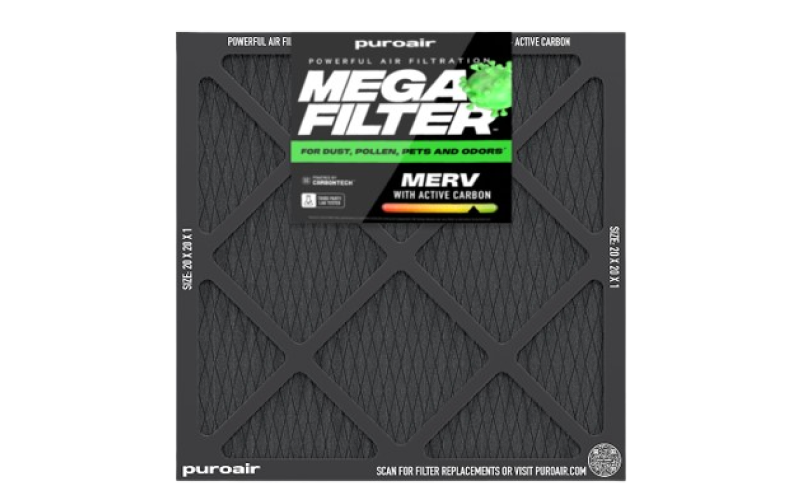
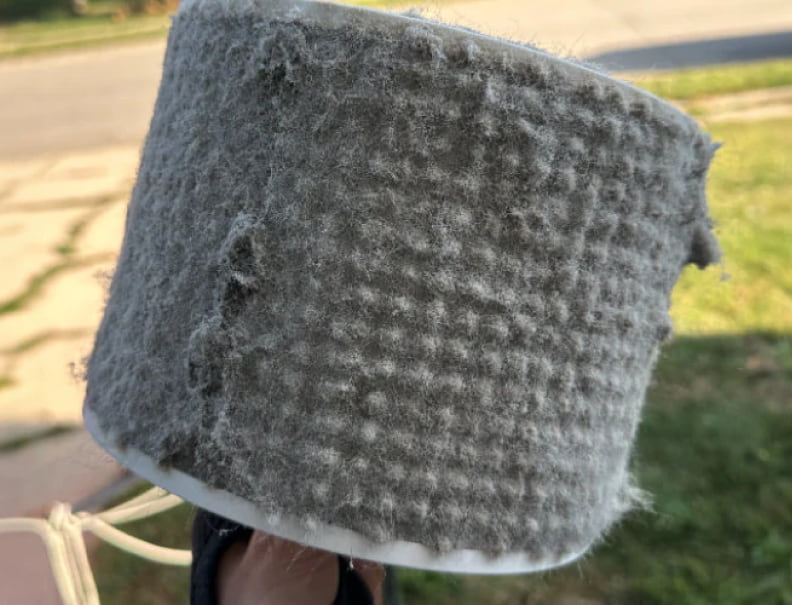
Change Filters Regularly: Clean or replace the filters in your air purifier according to the manufacturer’s guidelines. Overused filters can lose their effectiveness, reducing the purifier's ability to capture allergens.

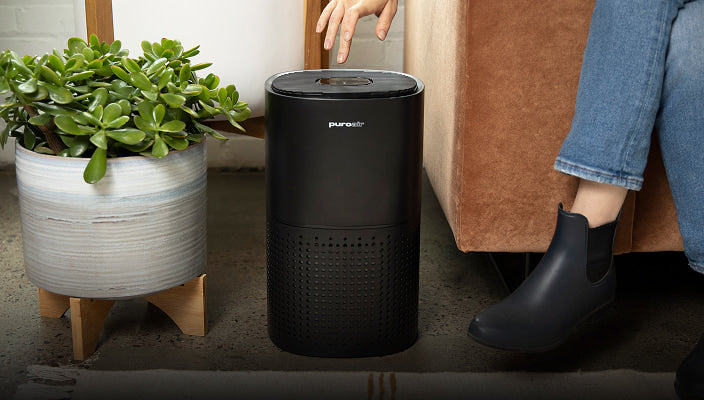
Experience cleaner, fresher air with a HEPA Air Purifier, designed to effectively filter out harmful particles and allergens from your indoor living space. Whether you’re dealing with seasonal allergies, pet dander, smoke, or dust, our air purifier offers powerful filtration to help improve the air quality in your home or office.
- HEPA Filtration: The high-efficiency filters filter up to 99.9% of airborne particles and as small as 0.1 microns*
- Multiple Filtration Stages: In addition to the HEPA filter, the purifier also features an activated carbon filter that absorbs odors , ensuring the air smells fresh and clean.
- Quiet Operation: Designed for silent performance, the air purifier runs quietly, even on the highest setting, making it perfect for bedrooms, living rooms, and offices.
- Energy Efficient: With low power consumption, our Energy Star-certified HEPA air purifiers are eco-friendly, saving on electricity bills without compromising on performance.
- Automatic Air Quality Sensor: Built-in sensors detect air quality in real-time and adjust the fan speed accordingly. The purifier operates intelligently to maintain optimal air quality throughout the day.
- Smart Filter Change Indicator: The purifier features an indicator light to remind you when it’s time to change the filter, ensuring peak performance at all times.
- Portable & Compact Design: Lightweight and sleek, the PuroAir purifiers fit seamlessly into any room without taking up valuable space.
- User-Friendly Controls: Simple, intuitive touch controls and a clear digital display make it easy to operate.
* Based on independent testing in an ISO 17025-certified lab
Based on a recent independent study conducted in Mexico City, PuroAir air purifiers made a significant difference. Homes equipped with air purifiers saw a substantial reduction in fine particle matter, with levels dropping by more than half.
e often focus on outdoor air pollution like smog and vehicle emissions, but the reality is that we spend the majority of our time indoors — between 60 and 90%, in fact. This makes indoor air quality just as crucial for our health.
Air Purifiers are designed to remove or reduce the concentration of allergens, such as pollen, dust mites, pet dander and more in indoor spaces. By doing so, air purifiers offer several benefits for allergy relief:
- Improved Air Quality: Air purifiers effectively trap and filter out various allergens, significantly enhancing overall air quality and benefiting those with allergies or respiratory issues.
- Reduced Allergy Symptoms: By decreasing allergen levels, air purifiers can alleviate allergy symptoms like sneezing, itchy eyes, and congestion.
- Preventative Measures: Air purifiers offer a proactive defense against allergic reactions, especially during high-allergen seasons or situations.
While an air purifier won't cure allergies, it's a valuable tool for managing and minimizing allergic reactions triggered by harmful particles and allergens present in your home.
Learn More: New Study - Air Purifiers Halve Indoor Air Pollution
PuroAir In the News


Learn about the 6 reasons your home gets dusty so quickly and the simplest ways to reduce the build-up. Hint, hint… PuroAir Air Purifiers can help!


It’s no surprise that the PuroAir 240 Air Purifier made the “the cut” as one of the 26 Best Cleaning Products for Every Room in the House.


Needing an Air Purifier that fits in a small office? See how the PuroAir 240 fits the bill and effectively provides coverage for the entire room.