



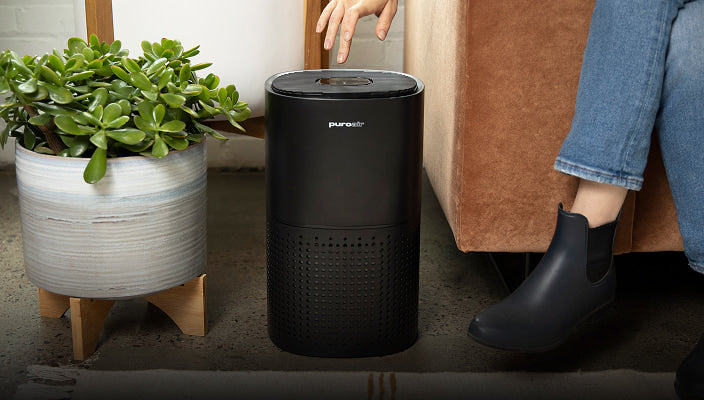







Indoor air quality has become a major concern for families, allergy sufferers, pet owners, and anyone who wants a healthier home. Even if your space looks clean, the air you breathe can still contain invisible pollutants like pollen4, dust3, smoke4, pet dander4, and chemical fumes. That’s where air purifiers come in. But what exactly do air purifiers do? How do they help?
This guide breaks down how air purifiers work, what they filter, and why they’re one of the most effective tools for improving indoor air quality.
How Do Air Purifiers Work?

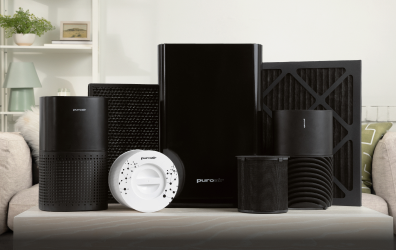
At their core, PuroAir air purifiers are designed to filter airborne pollutants and circulate cleaner air back into your home. While different brands use different technologies, most follow the same basic process:
Air Intake
Every PuroAir purifier begins by pulling air from the room into the unit using a high‑efficiency fan system. This steady airflow is essential because airborne particles like dust3, pollen4, smoke4, and pet dander4 don’t settle quickly. They stay suspended and continue circulating throughout your home. By constantly drawing air inward, the purifier filters these irritants before they reach your nose, lungs, or surfaces. The intake system is designed to be quiet yet powerful, ensuring continuous filtration without disrupting your daily routine.
Filtration
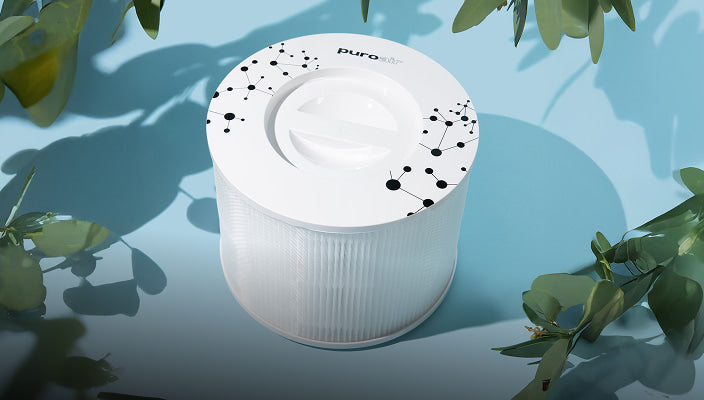
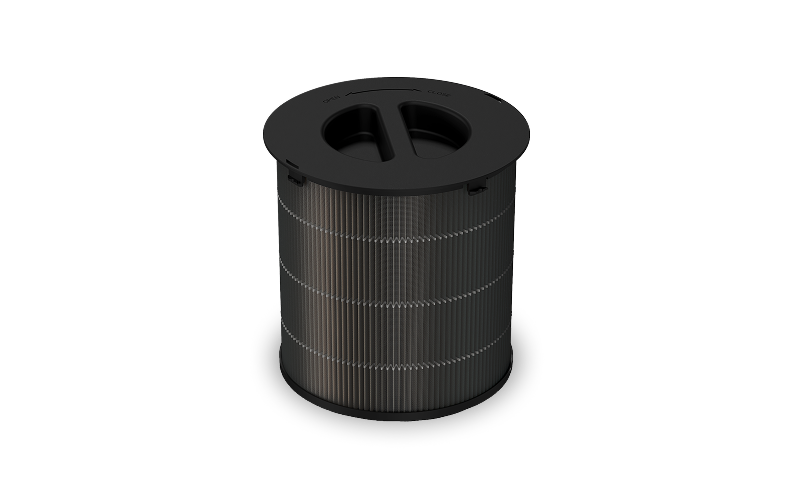
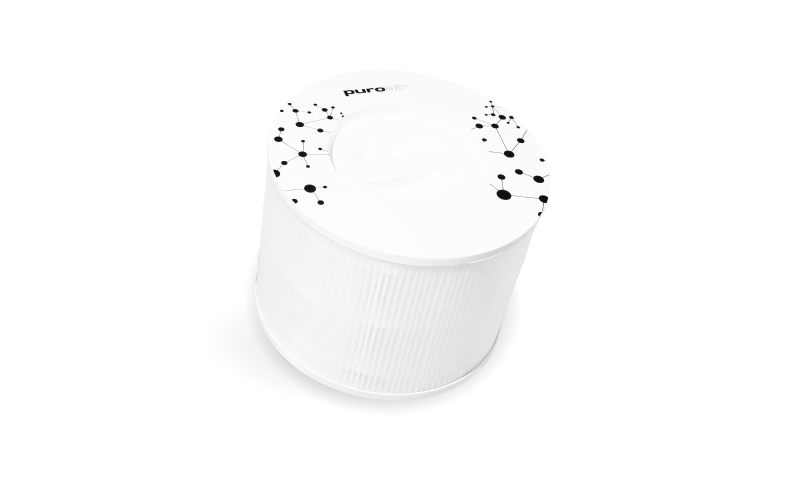
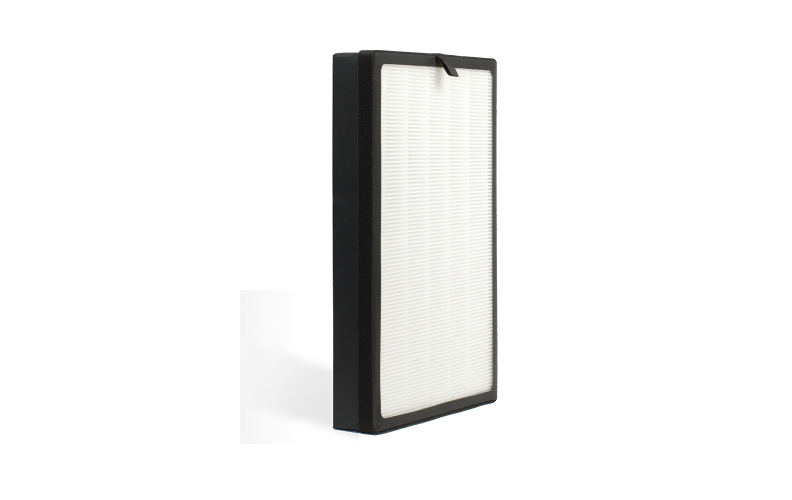
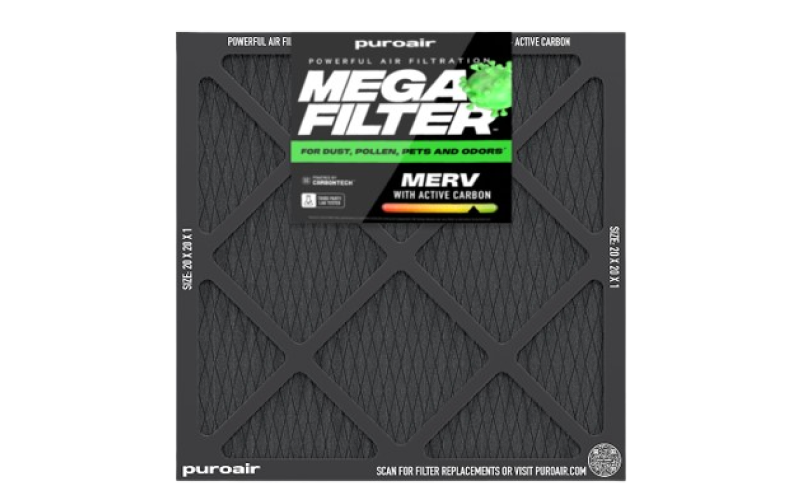
The air passes through three filter layers, including a HEPA filter, CarbonTechTM activated carbon, and a pre‑filter. Each layer targets different types of pollutants.
- Pre-Filter: Screens larger particles like dust3 and pet hair
- PuroAir HEPA Filter: Cleans up to 99.9%1 of particles
- CarbonTechTM Activated Carbon Filter: Filters odors1, smoke4, and VOCs5
Clean Air Output
Once the air has passed through all three filtration layers, the purifier pushes the newly cleaned air back into the room. This constant cycle reduces the overall concentration of airborne irritants, helping your home maintain cleaner, healthier air throughout the day. Over time, this continuous filtration can noticeably improve comfort, reduce allergy symptoms, and create a fresher indoor environment.
Think of it like a vacuum cleaner for your air. It is constantly pulling in dirty air and releasing cleaner, fresher air back into the room.
What Do Air Purifiers Filter?

PuroAir air purifiers are effective because they target a wide range of airborne contaminants1. Here’s what they’re designed to capture:
🌼 Pollen4 and Seasonal Allergens4
HEPA filters capture microscopic pollen4 grains that drift indoors on clothing, hair, shoes, and even through small gaps in windows and doors. These particles are so small that they stay suspended in the air for hours, triggering sneezing, congestion, itchy eyes, and sinus irritation. By continuously filtering the air, a PuroAir purifier helps reduce the allergen4 load in your home, especially during peak spring and fall allergy seasons when pollen4 counts are at their highest.
💨 Dust3
Dust3 is a constant presence in every home, made up of dead skin cells, textile fibers, soil particles, and microscopic debris. Even frequent cleaning can’t stop dust from becoming airborne every time you walk across a room, sit on the couch, or open a door. Air purifiers help capture these fine particles before they settle on surfaces or enter your airways, reducing irritation for people with allergies, asthma, or respiratory sensitivities.
🚫 Pet Dander4 and Odors1
Pets shed tiny skin flakes, known as dander4, that are among the most common indoor allergens. These particles are lightweight and easily become airborne, lingering long after grooming or playtime. PuroAir purifiers help filters dander4 before it circulates through your home, while the activated carbon layer works to reduce pet‑related odors1 from litter boxes, bedding, and everyday pet activity. This creates a fresher, more comfortable environment for both pet owners and guests.
🚬 Smoke4 and Airborne Particles
Smoke4 particles from wildfires, cooking, candles, or tobacco are incredibly small; often much smaller than dust3 or pollen4. Because of their size, they can penetrate deep into the lungs and cause irritation or breathing discomfort. HEPA filtration is designed to capture these ultra-fine particles, helping clear the air during wildfire season or after everyday activities like frying food or burning scented candles.
🦠 VOCs5 and Household Chemicals
Volatile organic compounds (VOCs5) are gases released from common household products such as cleaners, paints, adhesives, furniture, and air fresheners. These gases can contribute to poor indoor air quality and unpleasant odors¹. PuroAir’s CarbonTechTM activated carbon filters are engineered to absorb these chemical vapors, filtering them within millions of microscopic pores. This helps reduce exposure to chemical fumes and keeps your home smelling cleaner and fresher.
Benefits of Using an Air Purifier:

Air purifiers do more than just clean the air. They improve your overall comfort and well‑being.
- Reduce allergy and asthma symptoms
- Filter odors1 from pets, cooking, and smoke4
- Improve sleep quality
- Reduce airborne germs and particles
- Create a cleaner, healthier indoor environment
For many households, an air purifier becomes an essential part of maintaining a comfortable home.
Where to Use an Air Purifier:

Air purifiers can be used in almost any room, but they’re especially effective in:
- Bedrooms
- Living rooms
- Home offices
- Nurseries
- Kitchens
- Basements
For best results, choose a purifier sized appropriately for the room’s square footage.
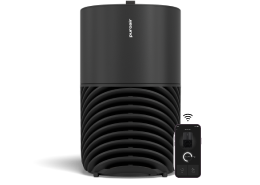
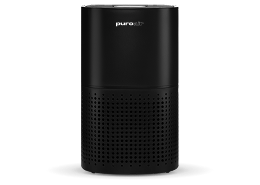
| Purifier Model | Maximum Coverage |
| PuroAir 100i | 550 sq ft1 |
| PuroAir 130i | 600 sq ft1 |
| PuroAir 240 | 1,000 sq ft1 |
| PuroAir 400 | 2,000 sq ft1 |
Do Air Purifiers Really Work?

Yes! When used correctly, air purifiers significantly reduce airborne pollutants. However, it’s important to understand what they can and cannot do.
Air purifiers CAN:
- Filter airborne particles like pollen4, dust3, smoke4, and dander4
- Reduce odors1 and VOCs5
- Improve overall indoor air quality
Air purifiers CANNOT:
- Remove allergens4 stuck to surfaces, carpets, or bedding
- Replace proper ventilation
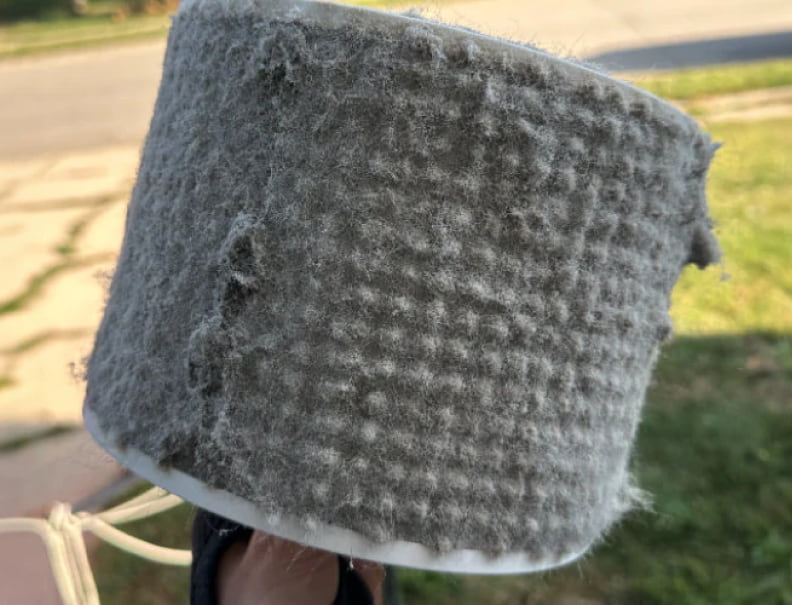
- Work effectively with clogged or old filters
Regular filter replacement is key to maintaining performance. PuroAir makes it simple with the Subscribe and Save replacement filter subscription program!
Choosing the Right Air Purifier:

Not all purifiers are created equal. When shopping, consider:
- Room size (match the purifier’s coverage to your space)
- Filter type (HEPA + activated carbon is ideal)
- Noise level
- Smart features (auto mode, sensors, app control)
- CADR rating
- Maintenance and filter costs
| Model | Room Size | Lowest Decibel | Auto Mode | App Control |
| PuroAir 100i | 550 sq ft1 | 22 dB | ✅ | |
| PuroAir 130i | 600 sq ft1 | 27 dB | ✅ | |
| PuroAir 240 | 1,000 sq ft1 | 24 dB | ✅ | |
| PuroAir 400 | 2,000 sq ft1 | 31 dB | ✅ |
If you want a purifier that’s powerful, quiet, and easy to use, PuroAir models are a strong fit for every home.
Final Thoughts
Air purifiers play a crucial role in creating a cleaner, healthier indoor environment. By filtering airborne pollutants like pollen4, dust3, smoke4, and VOCs5, they help reduce allergy symptoms, improve sleep, and make your home feel fresher overall.
Whether you’re dealing with seasonal allergies, pet dander4, or simply want better air quality, a high‑quality air purifier is one of the most effective tools you can add to your home.
At the time this article was written, the PuroAir 100i (PA100) and PuroAir Lite (PA101) have not been tested for VOC filtration.