











At first glance, cheap HVAC filters seem like a smart way to save money. After all, why spend more on something you replace every few months? In an area like Phoenix, Arizona, it is recommended to change your home air filter every 30 days due to the constant dust³ and high AC usage during the warmer months. The truth is, those bargain filters often come with hidden costs that far outweigh their low price tag. From higher energy bills and costly HVAC repairs to poor indoor air quality that can affect your family’s health, the “savings” quickly disappear. Understanding the real impact of low-quality filters is the first step toward making smarter choices that protect both your home and your wallet.
The True Role of an HVAC Filter
HVAC filters are designed to filter dust ³, dirt, allergens ⁴, and other airborne particles that circulate through a heating, ventilation, and air conditioning system. By reducing these contaminants ¹, filters help improve indoor air quality and prevent pollutants from recirculating throughout a home or building. Additionally, they protect the HVAC system’s internal components, such as coils, fans, and motors, from dust ³ buildup and debris. Thus, helping the system run more efficiently and extending its lifespan.
Basic fiberglass filters are inexpensive and designed primarily to protect the HVAC system from large particles like dust ³ and lint, but they do little to improve indoor air quality. In contrast, higher-efficiency filters, such as pleated, electrostatic, or higher MERV-rated filters, are made from denser materials that can filter much smaller particles, including pollen ⁴, pet dander ⁴, mold ⁴. These advanced filters provide cleaner air and better protection for both occupants and the HVAC system, though they may require stronger airflow to maintain performance.
Cost Comparison:
A basic fiberglass HVAC filter at a big box retailer will cost you about $5 per filter. These filters must be replaced every 30 days because they can clog quickly due to the lower quality.
Annual cost of filters: about $60
PuroAir’s MERV 13 HVAC filters cost $29.50 per filter with subscription which saves you 15% on each shipment. These high quality filters last a full 90 days before needing to be replaced, so you only need four filters per year per vent.
Annual cost of filters (with subscription discount): $100.30
The cost of the higher quality filters is more compared to the cheaper ones, but there are other costs to consider in the cost/benefit analysis of the filter price.
Quality vs. Quantity
While you may be able to purchase more filters for less when shopping for cheaper filters, there are major quality differences to be aware of. Fiberglass filters usually have a MERV rating around 2-4. This means they are the most basic, inefficient filters, and they really only filter large particles like lint or heavy dust ³ out of your home’s air. For reference, they capture less than 20% of small particles between 3-10 microns. They get the job done of protecting your HVAC system from large debris, but they don’t do much to improve your home’s air quality. Even if you do not have pets or suffer from allergies, you may notice differences in your home’s air quality with one of these low quality filters. More dust ³ will settle on surfaces, and you are likely to experience sneezing, scratchy throat and congestion depending on the time of year and the climate you live in.
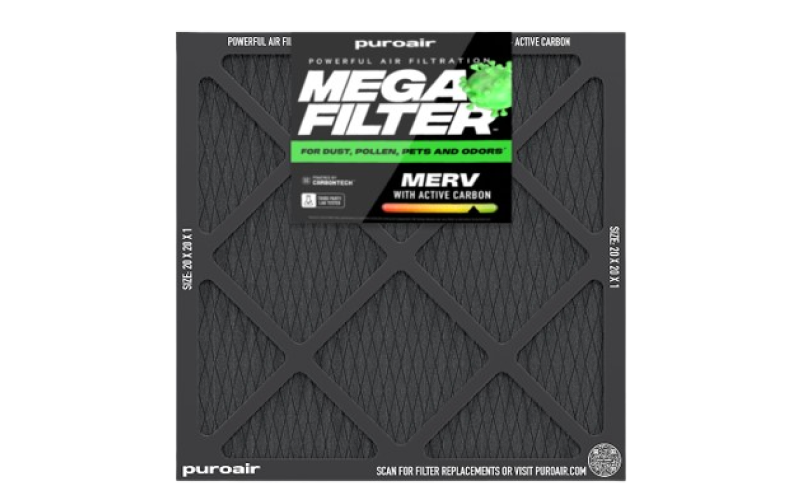
In contrast, PuroAir’s Mega Filter has a MERV rating of 13. This means that it filters at least 90% of particles sized 3-10 microns and can filter particles as small as 0.3 microns. This makes an incredible difference when it comes to things like pollen ⁴, pet dander ⁴, fine dust ³, and more. In addition to all the benefits that a typical MERV 13 filter provides, the Mega Filter also contains an activated carbon layer which helps to reduce unpleasant odors ¹ in the home including those from pets, cooking, or smoke ⁴. Activated carbon also helps filter VOCs ⁵ out of the air. VOCs ⁵ are absorbed into the carbon material and get stuck there so that they cannot re-enter the circulating air. For those with pets, allergies, asthma, or sensitive respiratory systems, a higher quality filter is a no brainer. You can’t put a price on the health and happiness of your home, and many would agree that for all these benefits, a more expensive filter is more than worth the price tag.
Health Costs

Short Term Impacts
The short term impacts of updating to a higher quality filter are typically pretty apparent. Dust ³ and allergens ⁴ are reduced and air quality is drastically improved. For those with asthma, allergies, or another respiratory health issue, this impact is noticed immediately. Some individuals are even able to use less medication or visit the doctor less frequently, saving money in the process.
Long Term Impacts
The long term health effects of upgrading your filter could have an even larger financial impact. By ensuring the air quality in your home is healthy, you are helping ease strain on your family’s respiratory systems, minimizing risk for chronic issues — especially for vulnerable populations like young children. Pollutants are everywhere nowadays and they often originate from unexpected sources. From cleaning supplies to candles to carpets and furniture, our homes are infiltrated with chemicals and pollutants now more than ever. By decreasing exposure to these irritants, you are setting up your home for long term health and cost savings.
Energy Costs

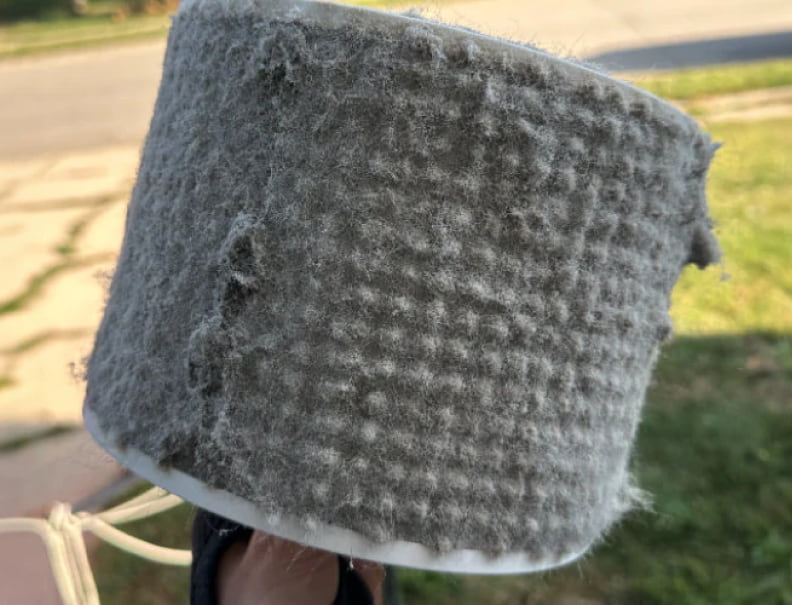
Cheap HVAC filters are typically made with thin, low-quality materials that have limited surface area for capturing particles. Because they lack the depth and density of higher-grade filters, they fill up with dust ³, dirt, and debris much faster. As these filters become clogged, they restrict the flow of air through the system, forcing the HVAC unit to work harder to maintain the desired temperature. This extra strain not only reduces efficiency but also drives up energy consumption, leading to higher utility bills. Over time, the added workload can shorten the lifespan of the system, turning what seemed like a cost-saving choice into a much more expensive problem.
Maintenance & Repair Costs

When dust ³ and debris slip past a low-quality or clogged HVAC filter, they don’t just disappear. They settle inside the system’s ducts, coils, and other internal components. Over time, this buildup creates layers of grime that restrict airflow, reduce heat exchange efficiency, and force the system to work harder than it should. The result is higher energy consumption, uneven performance, and added strain on critical parts. Left unchecked, this accumulation can lead to costly repairs, shorten the overall lifespan of the HVAC unit, and require more frequent professional maintenance to restore proper function. What seems like a small issue at first can quickly snowball into a major expense for homeowners.
Comfort Costs

Cheap HVAC filters don’t just impact your system. They directly affect your comfort at home. Because they clog quickly and fail to trap smaller particles, airflow becomes restricted, leading to uneven temperatures from room to room and a system that struggles to keep up. Poor circulation also means stale air lingers, allowing odors ¹ from cooking, pets, or smoke ⁴ to hang around far longer than they should. Over time, this combination of weak airflow, inconsistent climate control, and lingering smells lowers the overall quality of your indoor environment, making your home feel less fresh, less balanced, and far less comfortable for you, your family or your guests.
The Home Damage you Can’t See
HVAC System Damage
While a basic fiberglass filter will help prevent large dust ³ and lint particles from entering your HVAC system, smaller particles may still be able to pass through and collect over time. Additionally, these cheap filters can clog easily, reducing airflow and forcing your HVAC system to work harder to circulate air throughout your home. HVAC experts say that optimizing air flow in your HVAC system with a better filter can reduce your energy bills by 5-15%. This can add up quickly during the hottest and coldest months of the year when your HVAC system is running at full capacity.
Need for Purifiers
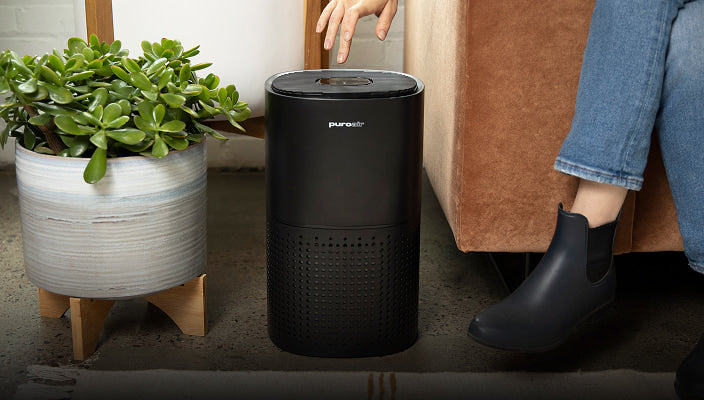
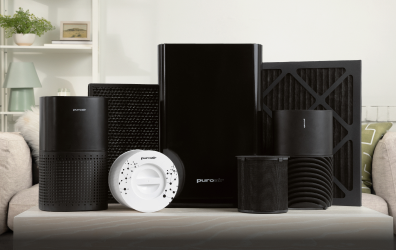
Here at PuroAir, we are advocates for clean air and recommend that every home utilizes air purifiers for targeted air quality optimization. The amount of purifiers and filter replacements you will need does depend on your HVAC filter and system of choice. For those who opt for cheap, low efficiency HVAC filters, you may need to compensate by having a dedicated purifier for each room or living space to ensure that irritants like pet dander ⁴, dust ³, VOCs ⁵, and more are being properly filtered. For those who upgrade to a high quality HVAC filter like the Mega Filter, you might be able to get away with purifiers in targeted, high traffic areas like the living room, bedroom, or kitchen. We recommend that the purifier filters are replaced about every three months, but this is dependent on dust ³ levels. For homes with lots of dust ³ and pollutants and less HVAC filtration, the filter may need to be replaced more frequently to maintain the unit’s efficiency and effectiveness.
Why People Still Buy Cheap Filters
Many homeowners continue to buy cheap HVAC filters because of a few common misconceptions and habits. One of the biggest is the belief that all filters are essentially the same, so choosing the lowest-priced option feels like a smart way to save money. In reality, filters vary widely in quality and effectiveness, especially when it comes to their MERV rating. MERV is a measure of how well they capture smaller particles. Without understanding these ratings or the long-term costs of poor filtration, people often underestimate the impact on energy bills, system wear, and indoor air quality. On top of that, HVAC systems are usually “out of sight, out of mind,” tucked away in basements, attics, or closets, so filter performance isn’t something most people think about until problems arise. This combination of misconceptions and neglect keeps cheap filters in demand, even though they often cost more in the long run.
How to Avoid the Trap
The MERV rating system (Minimum Efficiency Reporting Value) is a standardized scale developed by ASHRAE to measure how effectively air filters reduce airborne particles of varying sizes. The higher the MERV rating, the smaller the particle size that it can filter.
According to leading HVAC companies, a “good” MERV rating is typically between 8 and 13. MERV 8 is common in standard filters, and is adequate at filtering basic particles like dust ³, pollen ⁴, textile fibers and pet dander ⁴. While MERV 13 can reduce smaller particles, like mold ⁴ and smoke ⁴ particles, making it a great solution for individuals with allergies.
You should consider upgrading to an activated carbon or higher MERV-rated HVAC filter when your home faces specific air quality challenges that basic filters can’t handle. Activated carbon filters are especially useful if you’re dealing with odors ¹ from cooking, pets, smoke ⁴, or chemicals, since they absorb gases and volatile organic compounds (VOCs ⁵) that standard filters miss. On the other hand, MERV-rated filtration (typically MERV 11–13 for residential use) is ideal when you want stronger protection against fine particles like pollen ⁴, pet dander ⁴, and even some bacteria. Homes with allergy sufferers, asthma concerns, or located in areas with high outdoor pollution benefit most from these upgrades. In short, if your goal is not just to protect your HVAC system but also to improve the health and comfort of your indoor environment, activated carbon or higher MERV filters are worth the investment.
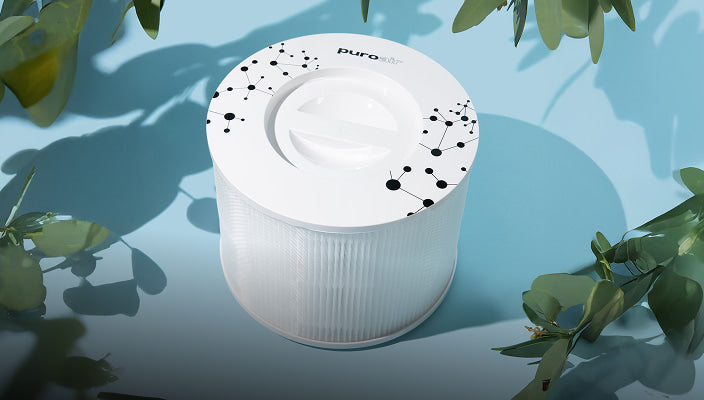
Get the best of both worlds with the brand new PuroAir Mega MERV 13 Filter with Activated Carbon. PuroAir HVAC air filters are high-quality filtration systems designed to improve indoor air quality by filtering out dust ³, allergens ⁴, and other airborne particles in your HVAC system. What sets PuroAir home air filters apart from the competition is a three-layer design with MERV 13 + Activated Carbon + Pre-Filter.
- The MERV 13 filter layer is designed to filter the smallest particles, like dust ³, pollen ⁴, and pet dander ⁴. This electro-statically charged filter fights particles up to 200X smaller than a human hair.
- CarbonTech™ Active Carbon technology is at the heart of the PuroAir home air filter. Its highly porous surface filters and reduces odors ¹, making it an effective barrier against smoke ⁴, cooking odors ¹, pet smells, and other household or environmental pollutants.
- And don’t forget about the first line of defense with the prefilter layer. This filter layer will mitigate large particles like dust ³ and pet hair, protecting your HVAC or furnace from added strain info and links.
Stick to a Replacement Schedule

- General rule: replace every 2–3 months (or more often with pets, allergies, heavy use, or dusty location like Phoenix).
- Save money and add convenience with the PuroAir Subscribe and Save program.
Beyond the Bottom Line

While it is true that a cheaper filter is easier on the wallet, there are many factors to consider when making a purchase decision. With superior filtration, a longer lifespan, better airflow, and enhanced air quality, it becomes easy to see how the added costs of a high quality filter may be very worth it – plus, you may end up saving in health care and HVAC maintenance costs in the long run. By opting for a higher quality, longer lasting filter, you are also helping to reduce the environmental impact of filter consumption by cutting the number that you send to the landfill each year by 75%!
Make the Switch
If you are still unsure of whether making the switch is necessary in your home, consider some of these signs that better filtration is essential. If you see any of these red flags, head here to shop PuroAir’s Mega Filter.
- Dust ³ accumulation in and around HVAC vents
- Noticeable odors ¹ when the HVAC is running
- Allergy symptoms indoors
- Rising energy bills
If you have determined that better filtration is needed in your home, your next step is to determine which filter is right for you. The Mega Filter comes in all the most common sizes for in-home use. Often, the best way to figure out what size you need is to check what is already in your HVAC unit. You can also measure if needed. You want to make sure that the filter fits in the space without any gaps that could let air pass right through. To lighten the mental load of remembering to order more filters and to save money, sign up for our filter subscription service. You save 15% and never need to worry about remembering to place a last minute order.
Your home and health deserve more than a bottom-shelf filter. Often the cheap filter is really a more expensive option in disguise. Invest in quality now and you will end up saving significantly later both in health and financial costs.